
How to Find Who Owns an Iron County Property
The fastest route runs from an address to the Assessor's owner-of-record entry, then to the recorded deed behind the transfer. EagleWeb is the county's property-account portal. It supports address, owner and account searches. Follow the portal's current prompts. Once a likely parcel appears, copy the account or serial number, situs, mailing address and legal description. Keep those details together, since each one confirms that a deed result covers the same Iron County land. A matching parcel number is the strongest link.
- Search the address or known owner through the EagleWeb property-account entry point.
- Write down the account or serial, the owner name and the legal description shown.
- Use the Recorder's land-document index to compare the latest deed's grantor and grantee.
- If the named owner is an entity, check its public business filing separately and do not assume an officer owns the land personally.
- Use a mailing address only as the county's notice destination, not as proof of occupancy.
Where Iron County Property Owner Information Appears
No single Iron County source answers every version of who owns this property. The Assessor ties a name to a parcel. The Recorder preserves the transfer instrument itself. The Treasurer sends the tax bill and records payment status, while GIS helps match the parcel on the ground. Each office serves a different function. The county Clerk is not the clerk of the courts, and none of these records proves who occupies a building.
| Source | Owner Info It Gives | Access |
|---|---|---|
| Assessor account | Owner associated with the parcel for the assessment roll | EagleWeb property-account entry |
| Recorder index | Grantor and grantee named in recorded land documents | Recorder's land-record links and copy service |
| Treasurer account | Tax bill, payment and delinquency information | Property-account links and BillTrax |
| Business filings | Public filings for a named Utah entity, when relevant | Utah Division of Corporations gateway |
The owner of record may not live there. A parcel can be titled to an LLC, a trust, an estate or another entity, and the owner may receive mail at a different address. Iron County assessment and deed records answer legal-record questions. They do not tell you who is present at a home.
An Iron County Owner Lookup Can Lag a New Deed
The assessment roll reflects ownership and condition as of January 1. If a closing and deed recording occur after that date, the deed may show the new grantee before the Assessor account changes. The research does not establish a usual number of days for that update, so avoid promising an exact lag. For a recent transaction, compare the deed's recording date and legal description with the parcel account and ask the Assessor about the roll update.
This timing difference is why a property owner search should use the newest recorded instrument when the question concerns a recent transfer. The assessment name remains helpful for finding the parcel and understanding the tax record, but it is not a live conveyance feed.
Iron County Situs and Mailing Addresses Point to Different Things
The situs address is where the land sits. The mailing address is where the county sends notices. They can even land in different cities. A Cedar City mailing address does not prove the parcel lies inside Cedar City's boundary or that the city issued its building permits. Use the county GIS map and the account's taxing district to check jurisdiction, and carry both addresses into a records request.
The permit packet reflects the same split. It collects building address and mailing address separately, alongside APN, account, subdivision, lot, block, phase and a legal description. Those fields resolve a mismatch without guessing from a street label.
When an Iron County Owner Is an LLC, Trust or Estate
A parcel may be titled to an entity or fiduciary rather than a person. Copy the name exactly as it appears. Include suffixes such as LLC and any trustee language. Utah's Division of Corporations and Commercial Code offers a business-entity search gateway for organization filings. A filing can surface public information about the entity. It cannot prove who beneficially owns the property or replace the deed naming the grantee.
The Utah Division of Corporations and Commercial Code search gateway is a separate way to check the public entity name tied to an Iron County deed. The deed records still control.
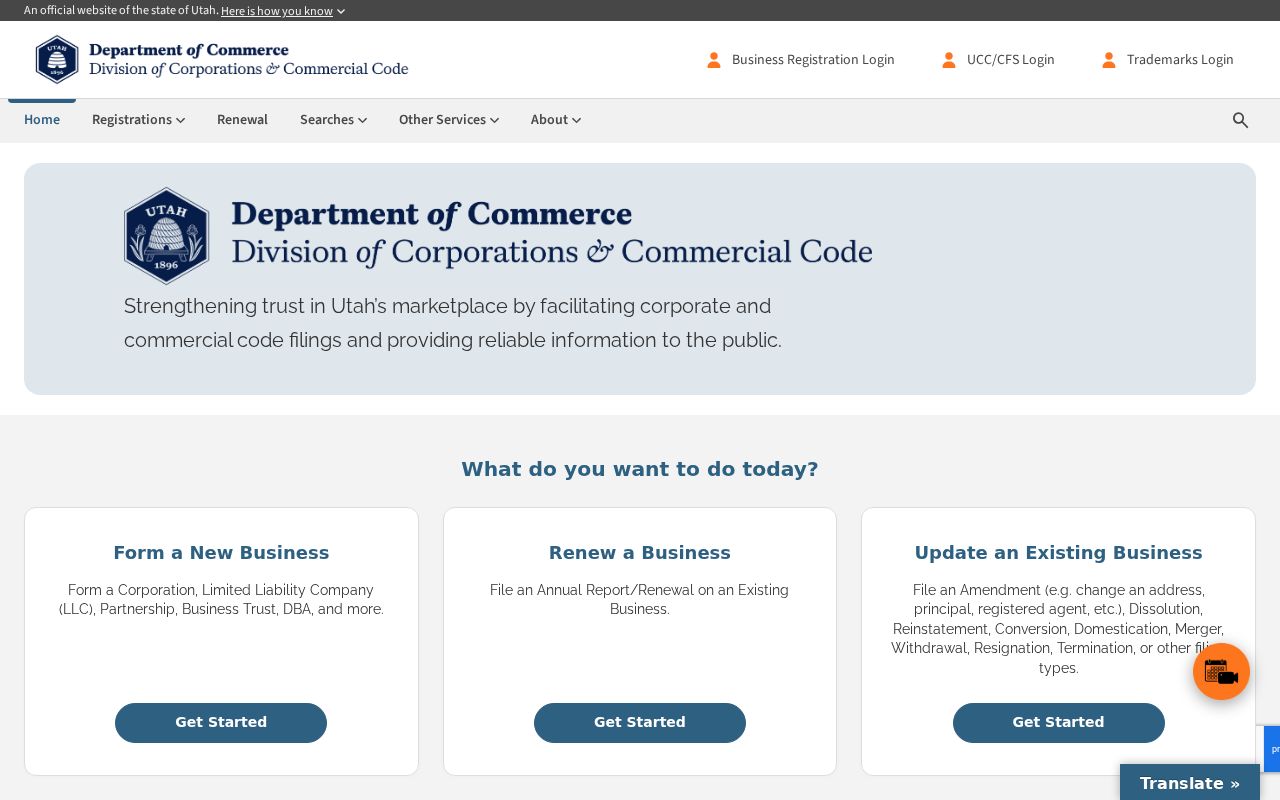
The state gateway covers organization filings only. It does not reveal beneficial owners or prove which land a company holds.
Estate transfers may also run through probate. Utah State Archives lists an Iron County Fifth District probate series from 1899 to 1964. The series sits on 11 microfilm reels. Related registers, case files and an index accompany the reels. That material can explain a transfer path. The finding aid is not a copy of any particular case.
What Property Watch Can Tell an Iron County Owner
The Recorder links a free Property Watch or Fraud Guard service. It can alert a subscriber to recorded activity under a monitored name or property. An alert is not a title search. It does not prove a transfer is valid or check parcel identity. Open the recorded instrument itself. Compare its legal description, parties and recording reference. Check the county's live instructions for signup details. The EagleWeb property-account portal is the county's search entry point for any Iron County parcel lookup.
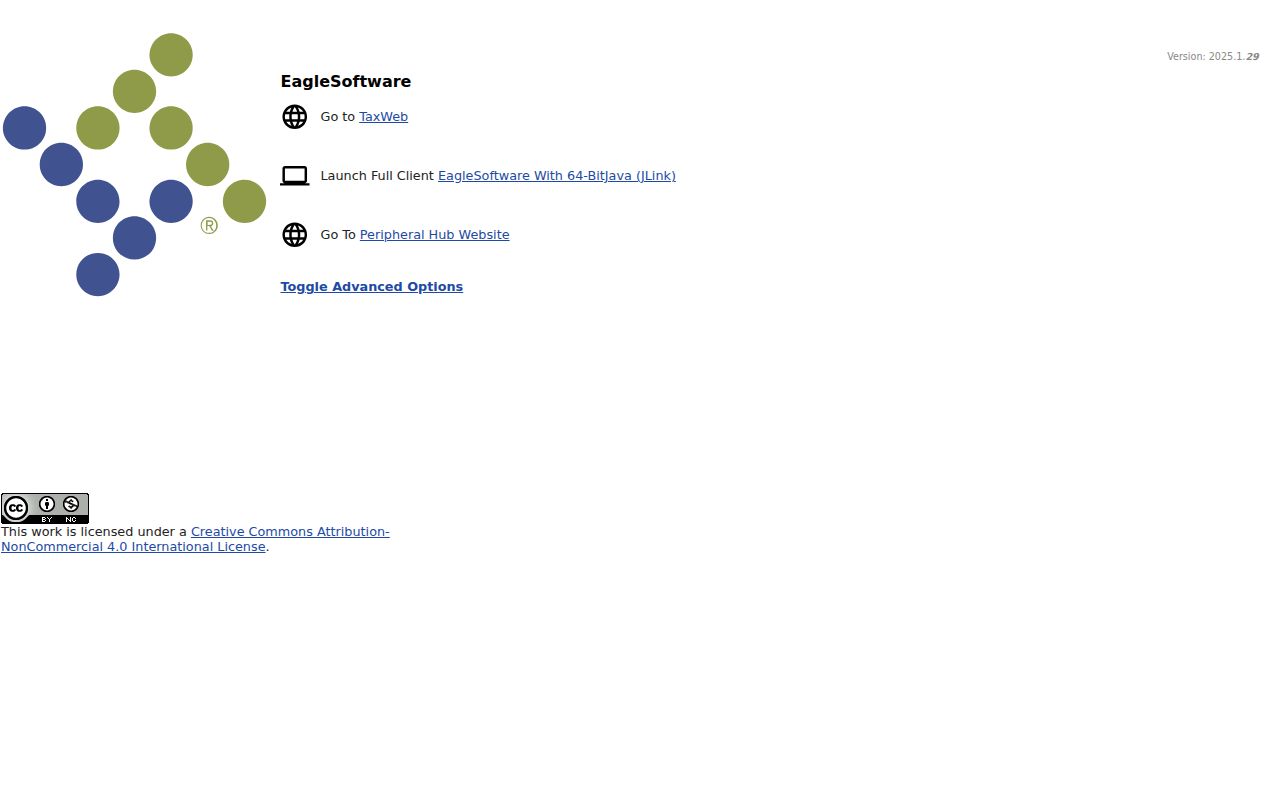
Use the account to locate the parcel, then verify the owner of record against the recorded deed.
What “Who Owns This Property” Cannot Establish
A name result is not a title search. Iron County property records identify the recorded or assessed owner, not the person occupying the parcel today. The Recorder files instruments but will not interpret one or certify a chain of title. A mailing address is not a residence. Confirm important facts with the custodian who keeps the record.
Lawful use. An Iron County owner lookup may support a property transaction, boundary question or public-record review. Do not use a person's information to stalk, harass or harm anyone.
Compare an Iron County Owner Name With the Recorded Deed
The Assessor account is a good starting point. The Recorder's deed is the record that matters when a recent transfer or a vesting question comes up. Pull the account, note the owner name and parcel description, then ask the Recorder for the transferring instrument. Match the grantee, legal description and recording reference. A recorded deed proves a transfer was filed. It does not certify clear title, interpret legal effect, or chase every possible claim. That work belongs to a title professional.
No online deed-index start year is published, and no date marks when all document images became available. If no image appears, request a recorded copy. Ask which formats can be inspected. Iron County lists $1 per recorded-copy page plus a separate $5 seal fee. Verify the current schedule before ordering. For a real title question, use a qualified title professional instead of treating a name match as a legal conclusion.
Iron County Owner Records Can Reflect Different Dates
The Assessor's roll snapshots ownership each January 1. A deed recorded later that year can name a new grantee while the roll still shows the older snapshot or a later processing cycle. Before assuming two offices disagree, compare the recording date, the tax year and any account update date. Each record serves a separate task. The Treasurer's bill, the GIS parcel label and the recorded deed each update on their own schedules.
A stale public account deserves a direct question. Contact the Assessor with the account number and the recorded instrument reference. Ask whether the roll has been updated and which document or date supports the displayed owner. Keep the question to the record that office holds. A new deed does not rewrite an issued tax bill. Nor does it make a mailing address match the parcel's situs address.
When entries differ, keep both names and dates. Never overwrite one with the other. An Assessor account identifies the parcel used for the assessment, while the deed's legal description and grantee wording explain the recorded transfer. An ambiguous address needs stronger identifiers. Include the APN or account, a serial if displayed, the subdivision or lot reference and the instrument number in any question to the custodian. That gives the office a specific record to check. It also prevents mix-ups. A similar owner name or a nearby parcel can otherwise look like the same property.